



The social dynamics of gambling How relationships influence outcomes
Understanding the Social Context of Gambling
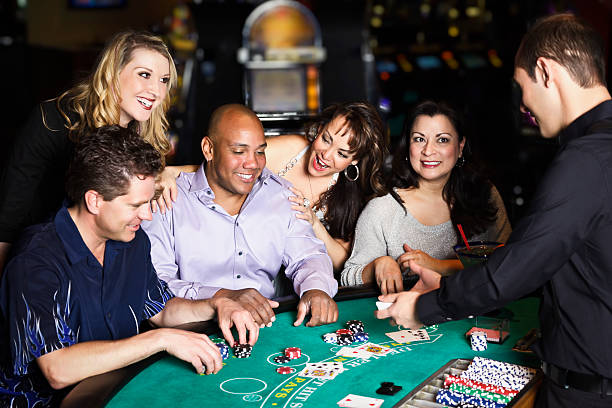
Gambling is often perceived as an isolated activity, yet it is deeply embedded in social interactions and relationships. The context in which gambling occurs can significantly influence individual choices and outcomes. For instance, players often engage in gambling activities with friends or family, which creates a social environment that can alter their decision-making processes. This communal aspect leads to shared experiences and can amplify both the highs of winning and the lows of losing, while discovering the best online pokies enhances the fun for many.

Moreover, the social dynamics at play can create pressure among peers, influencing a gambler’s behavior. When surrounded by friends who are enthusiastic about betting, individuals might take risks they wouldn’t normally consider. This phenomenon is often referred to as “social facilitation,” where the presence of others increases the likelihood of taking action. Understanding these dynamics is crucial for grasping the overall impact of relationships on gambling behaviors and outcomes.
Additionally, social interactions can lead to a normalization of gambling within certain circles. If friends frequently gamble, it can be perceived as a common and acceptable activity. This acceptance can lead to increased participation and potentially reckless behavior. Thus, the interplay between social relationships and gambling outcomes is complex, requiring careful consideration of the social factors involved in gambling environments.
The Role of Trust and Influence in Gambling
Trust plays a pivotal role in gambling, especially when it comes to group dynamics. Players often depend on the insights and recommendations of their peers, which can shape their gambling strategies. If a trusted friend advocates for a particular game or betting style, an individual may be more inclined to follow that advice, regardless of their own understanding or preferences. This reliance on social influence can lead to both positive and negative outcomes, depending on the quality of the advice given.
Furthermore, the influence of relationships can extend to financial decisions regarding gambling. Individuals may feel obligated to share funds or to cover bets for friends, which can complicate personal finances and lead to emotional strain. This intertwining of trust and monetary decisions can result in a cycle where relationships are tested by financial stakes, ultimately affecting the gambling experience and the outcomes associated with it.
The power of influence can also manifest in competitive settings, such as poker games or betting pools. In these scenarios, players may attempt to read the behaviors and emotions of their opponents, enhancing the social stakes of the game. This competitive dynamic not only heightens the tension but also impacts the decisions made during play, showcasing how relationships and social interactions are intricately linked to gambling outcomes.
The Psychological Impact of Winning and Losing
The psychological ramifications of winning and losing in gambling are profoundly shaped by social dynamics. Winning can reinforce positive relationships, fostering camaraderie and celebration among peers. Conversely, losing can lead to feelings of isolation and shame, particularly if one feels they have let down their friends or family. This emotional rollercoaster can affect future gambling behavior, as individuals may either be emboldened to continue gambling in hopes of a comeback or discouraged and withdraw from the activity altogether.
Additionally, the reactions of friends and family to a gambler’s successes or failures can further influence their emotional response. Celebrations of victories can enhance the thrill of gambling, encouraging individuals to engage more frequently. On the other hand, criticism or judgment following a loss can create a sense of stigma, potentially leading to secrecy in gambling behavior. This dichotomy reveals how deeply the emotional climate surrounding gambling is intertwined with social relationships.
Moreover, the long-term psychological effects of gambling can lead to complex relationship dynamics. Individuals may become withdrawn or defensive regarding their gambling habits, creating rifts in their relationships. This secrecy can exacerbate feelings of guilt and shame, further complicating their emotional landscape. Understanding these psychological impacts is essential for recognizing the broader implications of gambling within social contexts.
The Influence of Group Dynamics on Gambling Strategies
Group dynamics significantly shape gambling strategies, often leading to a collective approach to decision-making. In group settings, individuals may weigh in on strategies, pooling knowledge and experiences to craft an informed approach to gambling. This collaborative effort can enhance the overall enjoyment of the activity and potentially lead to better outcomes, as shared insights often lead to more strategic betting practices.
However, group dynamics can also foster herd behavior, where individuals follow the majority’s lead rather than making independent decisions. This tendency can lead to a lack of personal accountability, as individuals may excuse poor decisions by attributing them to group consensus. In situations where the group’s strategy fails, the fallout can negatively impact relationships as individuals grapple with collective blame and personal responsibility.
The effects of group dynamics extend beyond the immediate gambling experience. Players who frequently gamble together may develop specific rituals or traditions that enhance their social bond. While these practices can strengthen friendships, they can also perpetuate cycles of gambling behavior, influencing future decisions and outcomes. Understanding how group dynamics play into gambling strategies is vital for recognizing both the positive and negative influences of social relationships on gambling behavior.
Exploring Resources for Responsible Gambling
In light of the social dynamics surrounding gambling, it is essential to promote responsible gambling practices within communities. Resources such as counseling services, support groups, and informational workshops can provide valuable support for individuals grappling with the challenges of gambling. These resources can educate gamblers and their families on the effects of social dynamics, enhancing their awareness of the risks involved and fostering healthier relationships around gambling.
Furthermore, organizations that focus on responsible gambling often emphasize the importance of communication within social circles. Encouraging open dialogues about gambling habits can help mitigate stigma and promote healthier behaviors. By fostering an environment where individuals feel safe discussing their experiences, communities can work together to create a balanced approach to gambling that prioritizes well-being.
Ultimately, understanding the social dynamics of gambling and how relationships influence outcomes can empower individuals to make more informed decisions. By leveraging the resources available, gamblers can navigate the complexities of their social environments, ensuring that their gambling experiences are enjoyable and responsible. Creating a culture of responsible gambling is a shared responsibility that can lead to healthier relationships and more positive outcomes for all involved.
