



The historical evolution of gambling practices From ancient rituals to modern casinos
The Origins of Gambling in Ancient Cultures
Gambling has been a part of human civilization for thousands of years, with evidence tracing back to ancient cultures such as the Chinese, Egyptians, and Romans. Early forms of gambling involved simple games of chance, often using rudimentary tools like dice or stones. These practices were typically tied to rituals and belief systems, where individuals sought to invoke the favor of deities, hoping that luck would lead to successful outcomes. In modern contexts, betting sites provide platforms that echo these ancient traditions while utilizing advanced technologies.
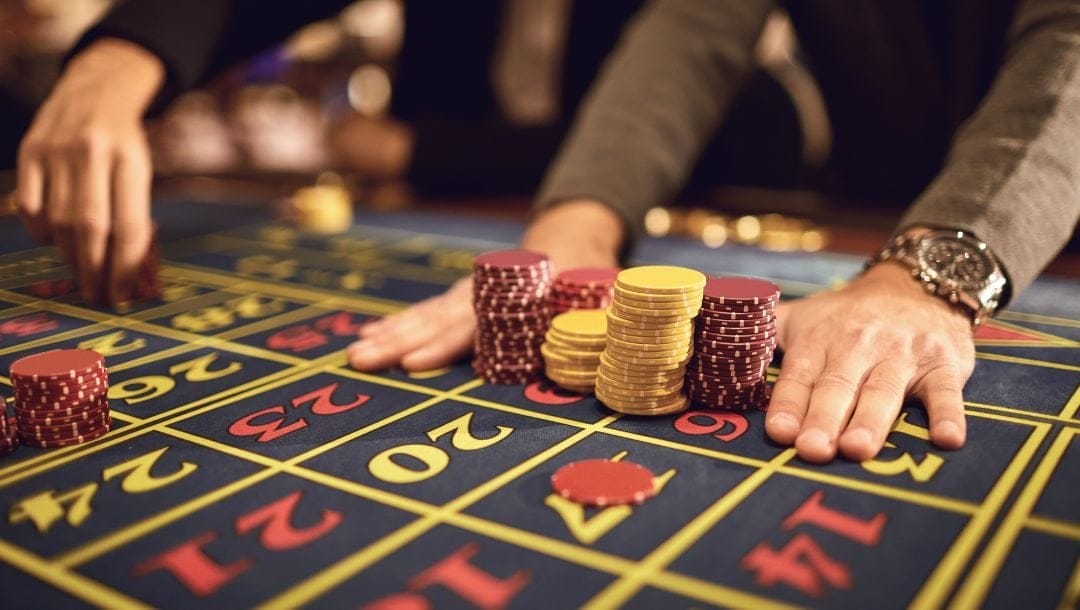
The ancient Chinese were known to use tiles for a game of chance dating back to 2300 B.C. Similarly, the Romans organized betting on gladiatorial contests, emphasizing the social aspect of gambling as a form of entertainment. This early integration of chance and skill would lay the groundwork for the complex gambling systems we see today.
The Evolution Through the Middle Ages
The Middle Ages saw gambling practices intertwining with social and political changes. During this period, games like chess and backgammon gained popularity among the nobility, while common folk engaged in lotteries and simple betting games. Many regions began to regulate gambling, recognizing its economic potential and the need for oversight to protect citizens from fraud.
As European societies evolved, so did gambling practices. The establishment of state-sponsored lotteries in the 15th century provided a legal framework for gambling, often funding public works and charitable causes. This marked a shift toward organized gambling, setting a precedent for modern regulatory systems.
The 17th and 18th centuries marked the emergence of dedicated gambling establishments, with the first official casinos opening in Italy. These venues began to cater to the growing middle class, offering an array of games that combined chance with social interaction. As these establishments flourished, they started to attract attention from both patrons and law enforcement.
By the 19th century, casinos had spread across Europe and into the United States, where the iconic Las Vegas Strip would eventually become synonymous with modern gambling culture. This period witnessed a significant transformation in gambling practices, shifting from informal gatherings to grand establishments with elaborate games and entertainment, reflecting societal changes and technological advancements.
The Impact of Technology on Gambling Practices
The late 20th and early 21st centuries brought a technological revolution that changed how people engage with gambling. The introduction of online casinos and mobile betting platforms allowed individuals to participate in gambling activities from the comfort of their homes. This accessibility has opened doors for a broader audience, transforming the gambling landscape significantly.
Additionally, advancements in payment systems and security measures have enhanced the online gambling experience. Players can now enjoy a wide variety of games, including slots, poker, and sports betting, all while benefiting from responsible gambling practices. These changes not only increase convenience but also push the industry toward greater accountability and consumer protection.

Discovering Trusted Betting Platforms
Today, navigating the world of gambling can be overwhelming, given the plethora of options available. Whether you are an experienced bettor or a newcomer, it’s essential to find a platform that prioritizes user experience and safety. The best betting sites offer fast payouts, secure banking, and a diverse range of sports and casino games, catering to various preferences and budgets.
By researching and utilizing reputable resources, users can make informed decisions about their gambling activities. The focus on responsible gambling tips and safe practices ensures that individuals can enjoy this age-old pastime while minimizing risks and enhancing their overall experience.
