



Cultural perspectives on gambling Understanding the global landscape of mega medusa casino
The Historical Context of Gambling
Gambling has existed for centuries, woven into the fabric of many cultures worldwide. From ancient civilizations that used dice for divination to the sophisticated gaming houses of the Renaissance, the history of gambling reflects various societal values and beliefs. Each culture has its own unique approach to games of chance, shaped by local traditions, legal frameworks, and moral attitudes. Newcomers will find valuable information on how to navigate the online landscape by visiting megamedusacasinologin.org.

As societies evolved, so did gambling practices. In some cultures, it is a source of entertainment and social interaction, while in others, it is viewed with suspicion or outright prohibition. Understanding this historical context is crucial for grasping contemporary perspectives on gambling, as these beliefs continue to influence modern practices and policies.
Cultural Attitudes Toward Gambling
Cultural attitudes towards gambling vary significantly across the globe, often shaped by religious, social, and economic factors. In some countries, gambling is integrated into social customs and celebrations, promoting community bonding. In contrast, other cultures consider it a vice that leads to moral decay and societal issues. Beginners should approach these varying perspectives with an open mind to fully appreciate the global landscape of gambling.
For example, in many Western cultures, casinos are seen as legitimate entertainment venues, while in parts of Asia, particularly in countries with strong Confucian roots, gambling is often stigmatized. This dichotomy illustrates how cultural perspectives can either facilitate or hinder the acceptance of gambling, affecting everything from legislation to market growth.
The Economic Impact of Gambling
The economic implications of gambling are substantial and multifaceted. In regions where gambling is legalized and regulated, it can contribute significantly to local economies through job creation, tourism, and taxation. Mega Medusa Casino, for instance, benefits from these economic dynamics, drawing players from various backgrounds and enhancing local business ecosystems.
Conversely, in areas where gambling is prohibited, the underground gambling market can thrive, often leading to lost tax revenues and limited consumer protections. Understanding these economic factors helps illustrate why some regions embrace gambling as a source of income while others resist it due to perceived risks.
The Role of Technology in Gambling Culture
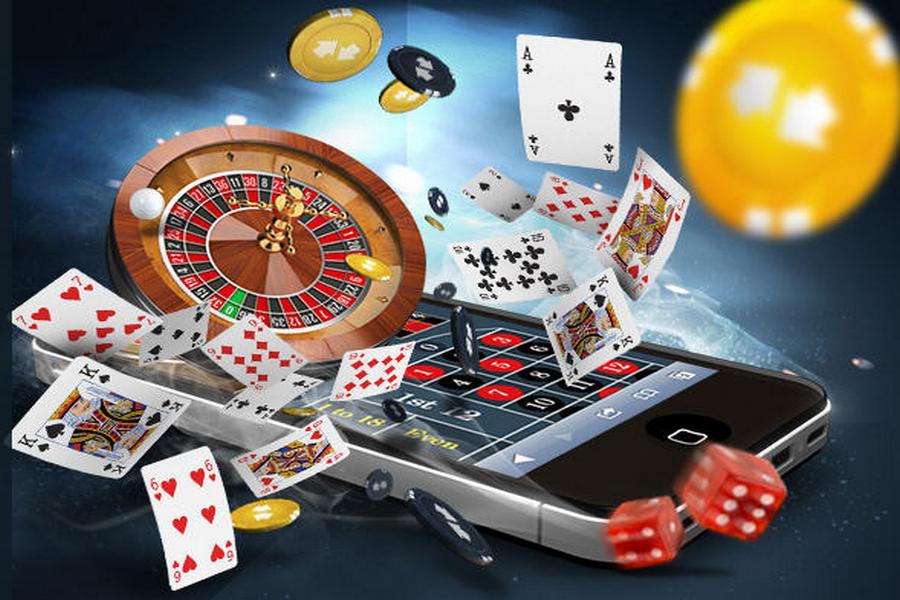
Advancements in technology have revolutionized the gambling landscape, making it more accessible than ever. Online casinos, like Mega Medusa Casino, allow players to engage in gaming from the comfort of their homes, breaking down geographical barriers and catering to diverse audiences. This technological shift has also influenced cultural perceptions of gambling.
As mobile apps and online platforms become increasingly popular, attitudes toward gambling are shifting. Younger generations may view online gambling as a modern form of entertainment rather than a moral issue, reshaping the cultural narrative surrounding this activity. Thus, technology plays a critical role in both expanding the gambling market and changing how it is perceived globally.
Mega Medusa Casino: A Gateway to Global Gaming
Mega Medusa Casino serves as a prime example of how digital platforms can blend various cultural perspectives on gambling. By offering a user-friendly interface and a variety of gaming options, it caters to both novice and experienced players. The casino emphasizes security and ease of use, ensuring that players from different backgrounds feel comfortable engaging with the platform.
Moreover, by focusing on community and customer support, Mega Medusa Casino fosters a sense of belonging among its users. This approach reflects broader trends in the gambling industry, where customer experience and cultural sensitivity are increasingly recognized as vital components of successful operations in a diverse global market.
Stay connected