




I swap between gadgets a lot as an online casino player, and I’ve discovered that a smooth session often depends on something most people miss: which browser you use https://wonacoocasino.com/. It’s the gap between a game loading in a flash or stuttering, a bonus round kicking off without a hitch, or the site forgetting who you are. I chose to run a test. I competed only at Wonaco Casino, but I did it on five of the most popular browsers in Australia. I desired more than a simple yes or no. I wanted the details on how it operated, how good it appeared, and what features worked on Chrome, Safari, Firefox, Edge, and Opera. This isn’t a spec sheet review. It’s what actually occurred when I logged in from each one.
The reason Browser Choice Matters for Online Casino Players
Most of us select a browser out of habit. For online gambling, that choice gets more technical. Browsers process the code behind websites at different speeds. This code, such as HTML5 and WebGL, is what enables modern slot animations run and live dealer streams function. A slow browser can lead to a blackjack click activates late, graphics in a bonus game turn glitchy, or the whole thing crashes at the wrong moment. Security and how a browser handles your login can change too, influencing how safe you feel and whether your deposit processes. My test was about discovering these real-world gaps.
The Main Technologies at Play
Sites like Wonaco depend on current web standards. Flash is gone; games now run on HTML5 directly in your browser. WebGL renders the detailed 3D graphics in video slots. JavaScript ensures everything moving, from button presses to live score updates. The browser’s engine—Blink for Chrome, WebKit for Safari, Gecko for Firefox—is what translates all that code. How well it handles this job influences your frame rate, how long you experience for a game to load, and if it stays stable. As I played, I monitored how each browser managed this workload, especially during long rounds on visually busy games, to see which ones kept up and which ones showed signs to sweat.
My Testing Methodology: A Practical Method
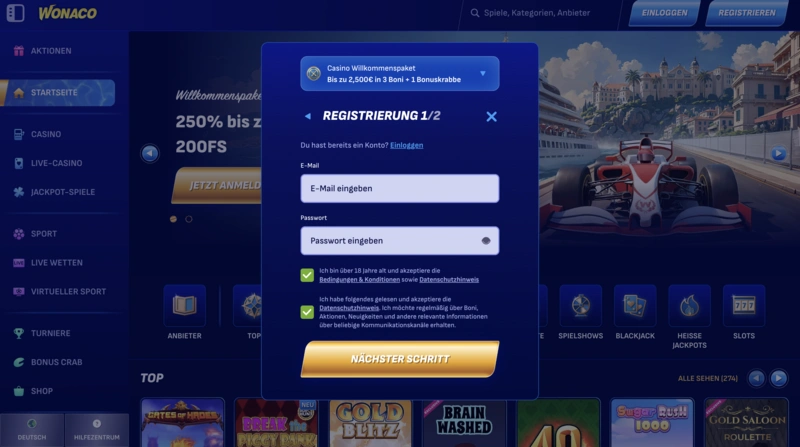
I conducted my tests over two weeks to ensure fairness. My main machine was a Windows 11 laptop, but I also tested on an iPad and iPhone to include Apple’s side. For every browser, I used the same steps: I made a Wonaco account, logged in, added some money using a common method, tested a mix of games for half an hour, browsed the promotions page, and started a withdrawal. I measured how long pages and games took to load. I evaluated how responsive the controls felt, how sharp the graphics were, and if features like auto-play worked every time. I also kept an eye out for any unusual layout issues or buttons out of place.
- Hardware:
- Actions:
- Metrics:
- Games Sample:
Apple’s Safari: Flawless Compatibility on Apple Devices
On Safari, notably on my iPad and iPhone, the impression seemed as if it was native on the device. On a Mac, it was similarly fast and sharp as Chrome. But on iOS, Safari really stood out. Wonaco’s site seemed native. Touch controls were accurate. Swiping through the game lobby seemed natural. Graphics on the Retina display were likely the most vivid of any browser I tried. I also got better battery life on my iPad during long sessions versus using Chrome on the same device. The only thing I found missing were a few specific browser-syncing features from Chrome. None of that impacted actually playing games, though.
Mobile-Specific Optimizations

The mobile version of Wonaco on Safari seemed polished. The site adapted to the screen right from the start. I didn’t have to zoom or scroll sideways to hit a button. Apple’s privacy features, like its tracking prevention, did not disrupt the games or log me out. Best of all, moving from the website into a full-screen game was quick and clean. The browser’s address bar did not linger to break the immersion, which takes place on some other mobile browsers. This level of fit suggests Wonaco’s developers gave extra attention to Safari’s WebKit engine, making it a top-tier pick for anyone on an iPhone or iPad.
Firefox: A Concentration on Privacy protection and Stability
Mozilla Firefox offered me a reliable, secure way to game at Wonaco. Performance was robust. Games started up almost as fast as on Chrome. The visual quality were fine, and play stayed fluid. Firefox’s real advantage is its improved tracking protection and strict cookie rules. This is a big plus for data protection, but it meant I had to add Wonaco to an exception list so my log-in would persist and payments would complete. After that one-time adjustment, the whole system worked without issues. Firefox also seemed more efficient on my system’s memory during marathon sessions. For gamers who value privacy and have seen other browsers degrade over time, Firefox is a solid pick that doesn’t force you to give up speed.
Opera: Integrated Features for Ease
Opera browser felt like a browser loaded with extras. Its integrated VPN and ad blocker are appealing for casino players. I had no need for the VPN to get into Wonaco, but it might assist someone on a restricted network. The ad blocker maintained the site and game lobbies without extra promotional junk, which might help pages display more swiftly on a slow connection. Speed was excellent, matching the other Chromium-based options. Opera has a sidebar for rapid access to chats and a news feed. It’s convenient, but you can tuck it away with one click for a distraction-free game. This browser suits players who like having tools immediately available without setting up extra extensions, which can sometimes create issues on gaming sites.
Edge : An Unexpected Challenger
Because Microsoft Edge is constructed on the similar Chromium base as Chrome, I anticipated similar performance. That’s just what I got. Wonaco ran with the identical speed, graphic quality, and complete feature set. Edge brought its personal useful tools, though. Its vertical tabs and collections feature were useful for taking notes on game rules or bonus terms arranged. The efficiency mode helped my laptop battery survive longer during a extended blackjack run. If you’re on Windows, especially Windows 11, you can utilize Edge for your casino play lacking any worry. It deals with all the games need and provides a tidy, simple window for playing.
Chrome: The Standard for Performance
Since Google Chrome is the world’s most popular browser, I used it as my baseline. Wonaco Casino worked perfectly here. Pages popped up instantly. Games launched in seconds. Slots like “Book of Dead” and “Sweet Bonanza” performed with smooth, high-frame-rate animation. I observed no stuttering or visual tears. Chrome is also superb at managing tabs. I could jump from a game to check its rules and back again without getting logged out or needing a refresh. Its built-in translator could help some international players, though Wonaco is already in English. The one tiny downside is Chrome’s demand for memory, which I only observed when I had more than ten demanding game tabs open at once. That’s not something a typical player would do.
Ultimate Judgment and Recommendations for Users
After testing on all five browsers, I can say Wonaco Casino is designed well for the modern web. You won’t face a major roadblock on any of these. But the small differences aid in a recommendation. For sheer, no-fuss speed and reliability, Google Chrome is still the leader. If you utilize Apple gear, Safari delivers the best integrated, easiest-on-the-battery, and sharpest-looking experience. Go with Firefox if privacy is your main concern, just remember that quick configuration step. Windows users should be satisfied with using Microsoft Edge; it’s a first-class experience with some neat organizing tricks. Opera is the choice for anyone who desires built-in utilities like a VPN. Your decision comes down to what else you want—privacy, deep device harmony, or extra features—because the core Wonaco Casino experience performs excellently on all of them.
